

Table of Contents
- Are Independent Books Professionally Edited?
- Types of Book Editing for Self-Published Authors
- The Risks of Publishing Without Professional Editing
- Self-Editing Tips for Independent Writers
- How to Find a Freelance Book Editor in the UK
- Is Professional Editing Worth the Investment?
- Conclusion
Last Updated: August 6, 2026
Are Independent Books Professionally Edited?
The question of whether independent books receive professional editing is more nuanced than a simple yes or no. Many self-published authors do invest in professional editorial services, though the decision depends on budget, genre, and publishing timeline. Independent authors face genuine questions about quality standards, particularly when readers encounter self-published work that feels rough around the edges. The reality is that professional editing exists on a spectrum, and understanding your options helps you make an informed choice about whether it's right for your manuscript.
Independent authors who prioritise literary quality typically engage professional editors at various stages of their publishing workflow. This isn't universal, some authors rely on beta readers and critique partners, whilst others combine self-editing with selective professional input. The publishing industry has shifted considerably over the past decade, and professional standards for independent books now rival those of traditionally published works when authors invest in proper editorial feedback.
Types of Book Editing for Self-Published Authors
Understanding the different types of editing available is essential for independent authors. Each serves a distinct purpose in refining your manuscript, and knowing which ones suit your work helps you allocate resources effectively.
Developmental Editing
Developmental editing focuses on the big-picture elements of your manuscript: narrative arc, character development, pacing, and overall structure. A developmental editor examines whether your story works at a fundamental level before you worry about individual sentences.
This type of editing addresses questions like: Does your plot make sense? Are your characters believable and consistent? Is the emotional journey compelling? Does the manuscript have unnecessary sections that slow the pacing? For independent authors, developmental editing often reveals structural problems that self-editing alone might miss, particularly for first-time novelists navigating complex narratives.
Developmental editors typically provide detailed feedback rather than line-by-line corrections. You receive a manuscript marked with comments, suggestions, and questions that prompt you to think critically about your work. Many independent authors find this stage invaluable for fiction, memoir, and non-fiction that relies on narrative structure. The investment here pays dividends because fixing structural issues early prevents wasted effort on polishing prose that might later be cut or reorganised.
Copyediting and Line Editing
Copyediting and line editing work at the sentence and paragraph level, focusing on readability, grammar, syntax, and consistency. A copyeditor ensures your prose flows smoothly, eliminates redundancy, and maintains a consistent style throughout your manuscript.
Line editing sits between developmental editing and copyediting, it addresses awkward phrasing, unclear passages, and sentences that don't quite work. A line editor might rewrite a sentence to improve clarity or suggest alternative word choices that strengthen your voice. Copyediting is more technical: it corrects grammar errors, ensures consistent punctuation, verifies that your style guide choices are applied uniformly, and catches typos.
For independent authors, this stage is where many notice the difference between professional and self-published work. A manuscript with solid developmental structure but poor copyediting reads as unpolished, even if the story itself is compelling. Readers notice grammatical errors, inconsistent formatting, and awkward phrasing, these details affect how they perceive the book's quality and your credibility as an author.
Proofreading
Proofreading is the final quality-control step, catching errors that survived previous rounds of editing. A proofreader reviews your final formatted manuscript for typos, spacing issues, formatting inconsistencies, and any remaining grammatical errors.
This stage is critical because even one or two errors per chapter can damage your book's professional appearance. Proofreading typically happens after your manuscript is fully edited and formatted for publication, either as a print-ready PDF or an e-book file. Many independent authors underestimate the importance of this step, assuming their copyeditor caught everything. Professional proofreaders work with fresh eyes and catch errors that familiarity with the text obscures.
The Risks of Publishing Without Professional Editing
Publishing an unedited or minimally edited manuscript carries genuine consequences for your book's reception and long-term sales potential. Readers form opinions quickly, and a manuscript riddled with errors or structural problems damages both your book's marketability and your reputation as an author.
Books that lack professional editing often receive poor reviews specifically mentioning quality issues. Readers who encounter grammatical errors, inconsistent characterisation, or confusing plot points leave negative feedback that deters future readers. These reviews accumulate on retail platforms and directly impact your book's discoverability, algorithms favour books with higher ratings, and negative reviews trigger fewer recommendations.
Beyond immediate sales impact, publishing without adequate editing affects your long-term author reputation. Readers who have a poor experience with your first book are unlikely to purchase your second. Building a readership as an independent author requires consistency and quality that professional editorial standards help ensure. If your first book feels self-published in a negative sense, rough, unpolished, difficult to read, you're fighting an uphill battle to convince readers that your subsequent work is worth their time.
There's also the practical risk of missing errors that change meaning or create confusion. A misplaced comma can alter a sentence's intent. Inconsistent character details confuse readers. Plot holes that seemed obvious to you during writing might not be obvious to someone encountering the story fresh. Professional editors catch these issues because they read with the perspective of your target audience, not the perspective of someone who's lived inside the manuscript for months.
Self-Editing Tips for Independent Writers
Before investing in professional editing, many independent authors benefit from structured self-editing. This doesn't replace professional editorial feedback, but it does reduce the number of obvious errors and structural problems that a professional editor must address, which can reduce overall editorial costs.
Start by setting your manuscript aside for at least two weeks before beginning self-edits. Distance from your work helps you read it more objectively. When you've been writing every day, you're too close to see problems clearly. Fresh eyes, even your own eyes after a break, catch issues that immediate revision would miss.
Read your manuscript aloud during the self-editing process. This reveals awkward phrasing, repetitive word choices, and rhythm problems that silent reading obscures. Your ear catches things your eyes miss. Listen for sentences that feel clunky or paragraphs where the flow breaks.
Use a checklist approach to self-editing. Create a list of common errors you know you make, perhaps you overuse certain phrases, struggle with comma placement, or have a tendency to write passive sentences. Read through your manuscript once focusing only on each item on your checklist. This targeted approach is more effective than trying to catch everything simultaneously.
Consider joining a critique group or finding critique partners. These are other writers who exchange manuscripts and provide feedback. Critique partners aren't professional editors, but they offer the perspective of readers in your genre. They can identify plot problems, character inconsistencies, and pacing issues that you've become too familiar with to see clearly. Many independent authors find that critique feedback, combined with self-editing, addresses the majority of structural and readability problems before professional editing becomes necessary.

Create a style guide for your manuscript. Document your choices about capitalisation, hyphenation, punctuation, and terminology. This ensures consistency throughout your work, readers notice when you spell a character's name differently in chapter three versus chapter twelve, or when you use both "email" and "e-mail" interchangeably. A style guide keeps you accountable during self-editing and makes the professional editor's job easier.
How to Find a Freelance Book Editor in the UK
Finding a qualified freelance editor requires research and vetting. The UK has many professional editors, but quality and specialisation vary considerably. Start by identifying editors who work with your genre. A fantasy editor has different expertise than a cookbook editor, and an editor experienced with children's stories brings different knowledge than one specialising in memoir.
Search for editors through professional organisations like the Chartered Institute of Editing and Proofreading, which maintains a directory of qualified editors. Members of professional bodies have met specific standards and often hold relevant qualifications. This provides some assurance of quality, though membership alone doesn't guarantee the right fit for your project.
Ask other independent authors for recommendations. Writing communities on social media, author forums, and local writing groups often have members who've worked with editors and can speak to their experience. Personal recommendations from authors in your genre are particularly valuable because they understand the specific editorial needs of your work.
Review potential editors' websites and portfolios. Look for editors who explicitly mention experience with self-published authors and your genre. Many editors provide sample edits or testimonials from previous clients. Read these carefully, do their editing approach align with what you need? Some editors are heavy-handed with changes; others take a lighter touch. Your preference matters.
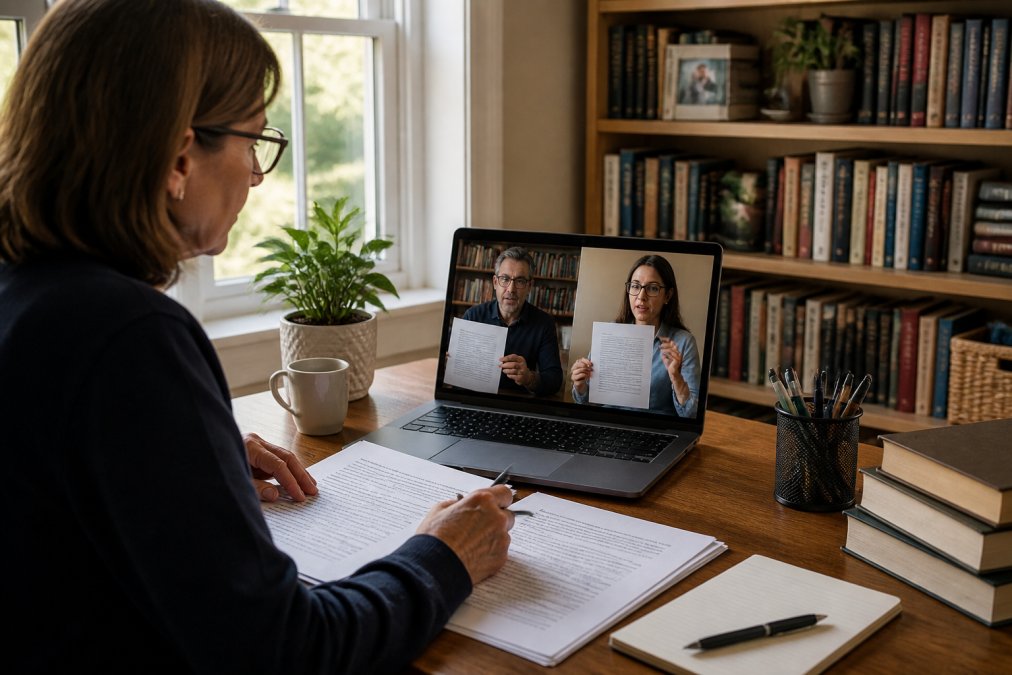
Before committing to a full manuscript edit, consider requesting a sample edit. Most professional editors will edit a chapter or section of your manuscript for a fee. This gives you a sense of their editing style, communication approach, and whether you work well together. It's worth the investment because a poor editorial relationship can be frustrating and unproductive.
Discuss rates and scope clearly. Editing fees vary based on the editor's experience, the type of editing required, and your manuscript's length. Some editors charge per hour; others charge per word. Clarify what's included in the fee, does it cover one round of edits or multiple passes? What happens if you need revisions after receiving feedback? Having explicit agreement on these points prevents misunderstandings later.
Check references if possible. Ask the editor for contact details of previous clients you can speak with about their experience. This is particularly important for developmental editing, where the editor's ability to understand your vision and provide constructive feedback is crucial.
Is Professional Editing Worth the Investment?
Whether professional editing represents good value depends on your goals for your book and your financial situation. If you're publishing primarily for personal satisfaction or to share work with friends and family, professional editing might feel unnecessary. If you're hoping to build an author platform, sell copies, and establish yourself as a credible voice in your field, professional editing becomes a more practical investment.
Consider the alternative cost of not editing professionally. A book that receives poor reviews because of quality issues will sell fewer copies. Poor reviews damage your reputation and make marketing subsequent books more difficult. If you're serious about your writing career, the cost of professional editing is an investment in your long-term earning potential and credibility.
The genre you're writing in also influences the value calculation. Readers of literary fiction, mystery, and romance have high expectations for prose quality and narrative structure. These genres benefit substantially from professional developmental and line editing. Readers of niche non-fiction might be more forgiving of prose style if the content itself is valuable and original.
Many independent authors find a hybrid approach effective: invest in developmental editing to fix structural problems, then combine self-editing and critique partners for line editing and copyediting. This reduces overall editorial costs whilst still addressing major issues. Others prioritise copyediting and proofreading over developmental editing if they're confident in their manuscript's structure.
The reality is that professional editing costs money, but publishing without it carries its own cost, in lost sales, negative reviews, and damage to your author reputation. Professional editing ensures that investment is reflected in a polished final product that represents your writing fairly.
Publishing an independent book without professional editing is possible, but it comes with genuine risks to your book's reception and your credibility as an author. Whether you choose professional editing depends on your goals, budget, and confidence in your manuscript's quality. What matters most is that you publish work you're proud of, work that reflects the effort you've invested. For many independent authors, professional editing is the difference between a book that feels self-published in a negative sense and one that stands confidently alongside traditionally published work. We encourage you to consider what level of editorial investment makes sense for your project.
Frequently Asked Questions
What is the difference between developmental editing and copyediting for independent authors?
Developmental editing addresses the big picture: narrative arc, character development, pacing, and structural issues. It happens early in the manuscript process. Copyediting focuses on grammar, syntax, consistency, and style guide adherence, typically done after developmental work. For independent authors, developmental editing shapes your story; copyediting polishes it. Both improve readability and marketability, but they serve different purposes in the publishing workflow.
Can independent authors self-edit their books to professional standards?
Self-editing can bring a manuscript close to professional standards, but it has limits. Authors struggle to see their own work objectively. Fresh eyes catch inconsistencies, unclear passages, and structural weaknesses that writers miss. Many successful independent authors use a hybrid approach: they self-edit thoroughly, then hire a professional editor for a final pass. This balances budget with quality. Self-editing alone rarely achieves the consistency and polish of professionally edited work.
What are the main risks of publishing an independent book without professional editing?
Unedited manuscripts damage author reputation and reduce book reviews. Readers notice grammar errors, plot holes, and inconsistent characterisation. These issues hurt marketability and word-of-mouth sales. Professional standards matter; readers compare independent works against traditionally published books. Without editorial feedback, you miss structural problems that confuse readers. Errors undermine your credibility, especially if you're building a readership across multiple titles. The cost of editing is far less than the cost of damaged reputation.
How can readers identify a professionally edited independent book?
Professionally edited books show error-free prose, consistent formatting, logical narrative flow, and polished dialogue. Readers notice the absence of typos and grammar mistakes. Well-developed characters and clear plot structure signal developmental editing. Consistent tone and style throughout indicate copyediting. A professional cover design and interior layout also suggest investment in quality. Conversely, self-published books without editing often contain obvious errors, awkward phrasing, and structural inconsistencies that experienced readers spot immediately.
This article was written using GrandRanker
0 comments