

Table of Contents
- What Makes High Quality Independent Books Worth Your Time
- Establish Your Vetting Criteria for Independent Titles
- Best Independent Bookshops UK and Where to Browse
- How to Discover New Authors Beyond Mainstream Publishers
- Independent Publishing Awards UK and Quality Markers
- Subscription and Membership Models for Curated Discovery
- Common Mistakes When Evaluating Independent Books
- Conclusion
Last Updated: August 19, 2026
What Makes High Quality Independent Books Worth Your Time
Finding high quality independent books requires understanding what separates genuinely excellent self-published work from the rest. The distinction isn't about publisher size, it's about execution, credibility, and care invested in every detail from manuscript to finished product.
At Robs Books, we offer original works by Robin Wickens across genres from British cosy mysteries to folklore and children's stories. Quality markers exist at every stage: editorial polish, design standards, author expertise, and reader validation. These signals help you distinguish between books that deserve your time and money versus those that merely exist online.
The rise of independent publishing has democratised storytelling but also created noise. Readers now face a genuine challenge: how do you evaluate an unknown author's work when you can't rely on a major publisher's gatekeeping? The answer lies in developing a personal vetting framework, a set of criteria you apply consistently to filter for quality before you buy.
This guide walks you through exactly how to find high quality independent books, from establishing evaluation standards to discovering exceptional authors beyond mainstream channels.
Establish Your Vetting Criteria for Independent Titles
Before identifying high quality independent books, you need criteria. A structured approach saves time and money.
Your vetting framework should evaluate three core areas: how the book is made, who created it, and what readers actually think.
Professional editing and design standards
Poorly produced books show sloppy presentation immediately: typos in early chapters, inconsistent formatting, amateurish cover design. Professional independent books show evidence of investment. The text has been edited by someone other than the author. Sentences flow. Punctuation is consistent. The cover design is clean and visually coherent, looking like something you'd see in a bookshop.
Check the book's interior formatting through available previews. Do the first few pages feel polished or rough? Professional typesetting uses proper spacing, consistent fonts, and correct indentation. A poor cover signals either low budget or low care; a professional cover tells you the author invested in presentation.
Author background and credibility signals
Research the author's background. Have they published before? Do they have relevant expertise for their subject matter? A cookbook author should have genuine cooking experience. A history book should come from someone with demonstrated knowledge in that field.
Look for author transparency through detailed bios explaining their background and qualifications. Check whether the author maintains a web presence beyond their book, a blog, social media, or active engagement with readers. Authors accountable to a literary community tend to produce higher-quality work.
For fiction, examine the author's publication history. Multiple well-reviewed titles prove consistent execution. A single self-published title with no track record carries more risk.
Reader feedback and community validation
Reader reviews cut through marketing claims and reveal genuine experience. Look at review volume and consistency. A book with fifty reviews averaging 4.5 stars has more credibility than one with three five-star reviews.
Read the reviews themselves, not just ratings. Specific feedback, "the mystery plot kept me guessing until the final chapter, and the historical detail felt authentic", tells you whether the book matches what you're seeking. Be cautious of reviews that seem fake: multiple five-star reviews posted simultaneously or reviews reading like promotional copy suggest inflated ratings rather than earned ones.
Check whether the book has been reviewed by independent reviewers or literary communities. Mentions in book blogs, literary podcasts, or reader communities carry weight because these communities value honesty.
Best Independent Bookshops UK and Where to Browse
Finding high quality independent books starts with knowing where to look. Independent bookshops remain the best source for curated selection and expert recommendation.
The independent bookshop sector has experienced genuine revival as readers increasingly seek alternatives to algorithm-driven recommendations. Independent booksellers curate their stock deliberately, meaning every title reflects a decision about quality and relevance.
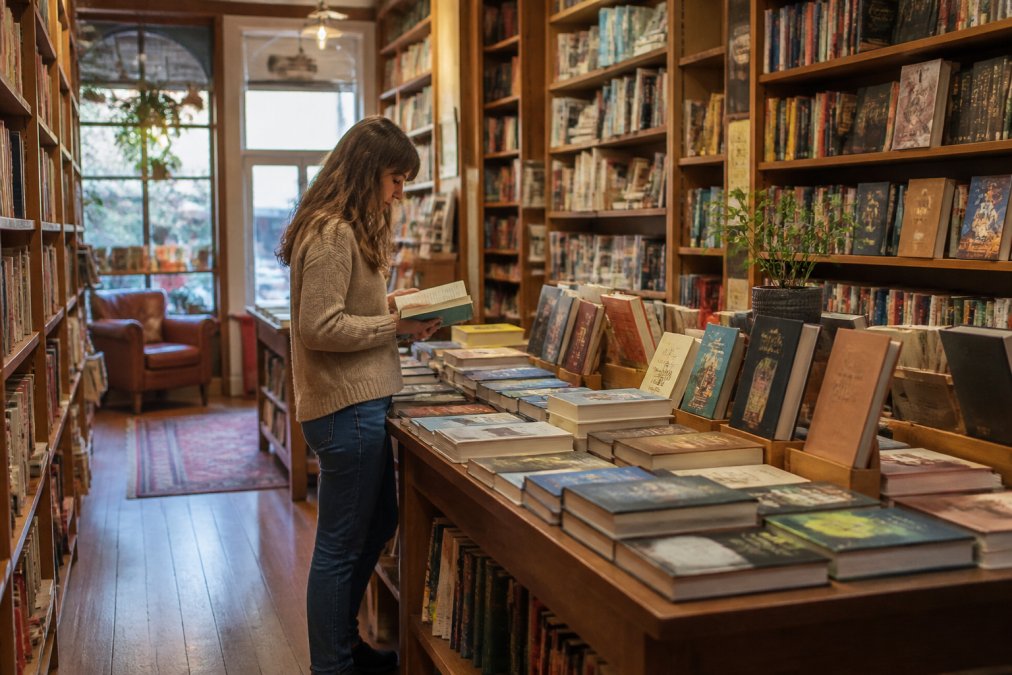
Visiting independent bookshops offers advantages online shopping can't replicate. You can browse physical copies, read opening pages, and talk to booksellers who understand their inventory deeply. Staff at independent shops often know the books they stock and can recommend titles based on your preferences.
Look for independent bookshops specialising in your areas of interest. Some focus on rare editions and collectible books; others specialise in children's literature, folklore, or niche genres. Shops with clear curatorial focus tend to stock higher-quality titles because they're selective rather than stocking everything.
Many independent bookshops now maintain strong online presence, allowing you to browse inventory, place orders, and access staff recommendations through their websites. Robs Books exemplifies how independent retailers curate selection differently. Rather than stocking thousands of generic titles, we focus on original works by Robin Wickens and carefully chosen selections reflecting genuine literary value.
Community bookshops often host literary events, author readings, and book clubs, connecting readers with authors and each other, building the literary community surrounding quality independent publishing.
How to Discover New Authors Beyond Mainstream Publishers
Mainstream publishing channels miss enormous amounts of excellent work. Independent authors often produce outstanding books that never reach wide visibility because they lack major publisher backing.
Discovering quality independent authors requires intentional effort, but the rewards justify the search. You'll find voices and perspectives that mainstream publishing overlooked.
Digital discovery tools and platforms
Online platforms have become essential for finding independent authors. Goodreads functions as both a discovery tool and quality filter. You can search by genre, rating, and reader reviews. Follow readers whose taste aligns with yours; their reading lists and reviews become personalised recommendations.
BookBaby, Draft2Digital, and similar platforms specialise in independent publishing, maintaining searchable catalogues with quality filters. Some platforms highlight books achieving significant reader engagement or awards, serving as quality signals.
Author websites and newsletters offer direct connection to independent creators. Many quality authors maintain mailing lists where they share new releases and behind-the-scenes insights. Literary blogs and review sites dedicated to independent publishing provide curated recommendations with detailed assessments.

Literary communities and recommendation networks
Reader communities built around specific genres are goldmines for discovering quality independent authors. Online reading communities like Reddit's book subreddits, Goodreads groups, and genre-specific forums connect readers with similar tastes. Members share recommendations and often highlight independent authors whose work impressed them.
Book clubs, both online and in-person, expose you to titles and authors you might not discover independently. Social media communities centred on reading, Bookstagram and BookTok, surface independent authors to massive audiences. Author communities and writing networks often discuss quality independent work through literary magazines and writing associations.
Independent Publishing Awards UK and Quality Markers
Awards provide external validation of quality. The Independent Book Publishing Awards recognises outstanding self-published and independent press titles across numerous categories, judged by industry professionals and editors.
The Kindle Direct Publishing Indie Book Awards celebrate excellence in independent publishing across diverse genres. The Wishing Shelf Book Awards specifically recognises independent and hybrid-published children's books, providing reliable filtering for parents seeking quality children's literature.
Literary prizes from established organisations increasingly include independent titles. When an independent title wins recognition from mainstream literary awards, it signals quality transcending the independent versus traditional publishing divide.
Look for award mentions in book descriptions. Legitimate awards are verifiable through the award's website. Recognition from literary communities, featured mentions in reputable literary magazines, and positive reviews from established book bloggers also function as quality validation.
Subscription and Membership Models for Curated Discovery
Subscription services have transformed how readers discover quality independent books. Rather than browsing endlessly, subscribers receive curated selections evaluated by human experts.
Scribd and Kindle Unlimited offer access to vast catalogues of independent titles alongside traditionally published books. Both platforms allow filtering by rating and reader feedback, letting you try numerous independent authors without purchasing each book individually.
Independent bookshop subscription boxes deliver curated selections directly to your home. Services like Owens Book Company create themed boxes featuring independent and rare titles, reflecting the curator's expertise and taste.
Membership models at independent bookshops often include discounts, early access to new releases, and exclusive recommendations. Robs Books operates on a direct-to-reader model emphasising curation and personal connection. Rather than overwhelming readers with infinite choice, we focus on quality titles by Robin Wickens that genuinely merit attention.
Common Mistakes When Evaluating Independent Books
Don't rely solely on star ratings. A book with all five-star reviews might have only three reviews from friends of the author. A book with 4.2 stars across one hundred reviews carries far more credibility.
Avoid judging solely by cover design. While professional covers matter, some genuinely excellent independent books have simple covers. Judge design in context: does it reflect the genre appropriately and look professional?
Don't assume self-published means inferior. Quality exists across the publishing spectrum. Evaluate individual books against consistent criteria rather than making blanket assumptions.
Resist buying based on premise alone. Read sample pages and check reader reviews about whether the book delivers on its premise. Don't overlook author engagement as a quality signal; authors who actively engage with readers tend to produce higher-quality work.
Avoid assuming cheaper means lower quality. Independent authors often price books lower than traditional publishers due to lack of publisher overhead, not inferior quality. Don't skip reading sample pages, most platforms provide preview access, revealing whether the writing quality, pacing, and voice appeal to you.
Finding high quality independent books demands intentional effort, but the payoff is discovering exceptional work that mainstream channels overlook. By establishing clear vetting criteria, exploring dedicated discovery platforms, and learning to recognise quality signals, you'll build a reading life filled with genuinely excellent titles.
The independent publishing landscape continues evolving, creating opportunities for readers who know how to navigate it. Whether you're seeking rare editions, discovering emerging authors, or exploring niche genres, the frameworks in this guide will help you identify books worth your time and money. Start with one discovery method, perhaps exploring independent bookshops or joining a literary community, and expand from there. Your next favourite author might be waiting in the independent publishing world.
Frequently Asked Questions
How can I identify high-quality independent books before buying?
Start by examining the book's production quality: check the binding, paper stock, and typography. Look for professional editing evidence through sample pages or reader reviews. Verify the author's background and credentials within their genre. Check whether the book has been reviewed by book bloggers, literary communities, or readers on platforms like Goodreads. Independent titles from established small presses or award-winning authors typically meet higher standards than self-published work without editorial oversight.
What independent publishing awards UK should I look for?
The Independent Book Publishing Awards, the People's Book Prize, and the Indie Book Awards recognise quality independent and self-published work across numerous categories. The Bookseller's Indie Book Award is another respected marker. These awards signal that a book has undergone rigorous evaluation for writing quality, design, and overall production standards. When browsing independent titles, checking whether an author or publisher has won recognition from these bodies provides reassurance about quality and professionalism.
How do I discover new authors outside traditional publishing channels?
Join literary communities on social media, book forums, and platforms dedicated to independent authors. Follow book bloggers and reviewers who specialise in independent literature. Subscribe to newsletters from independent bookshops and small presses, which often curate emerging voices. Attend local literary events, book clubs, and author readings. Use e-commerce integration features on independent bookshop websites to explore recommendations based on genres you enjoy. Many independent retailers offer personalised service and can suggest authors matched to your reading preferences.
Why should I buy from independent bookshops instead of large retailers?
Independent bookshops typically offer superior curation, knowledgeable staff who can provide personalised recommendations, and support for niche genres and rare editions that large retailers stock inconsistently. They contribute directly to your local community and literary culture. Many independent retailers build genuine relationships with customers and authors, creating a browsing experience focused on quality rather than volume. You also gain access to signed copies, first editions, and out-of-print titles that mass-market retailers cannot provide.
This article was written using GrandRanker
0 comments